
What is eco-anxiety? It’s that knot in your stomach when you see another headline about record temperatures or disappearing species. It’s the worry that keeps young people up at night, wondering what kind of world they’re inheriting. As environmental awareness grows, so does this very real psychological burden. More people than ever understand the climate crisis, yet many feel powerless to address it.
Fortunately, the right kind of environmental education can ease these feelings. When nature-based learning moves beyond doom and gloom to include solutions, agency, and community action, it transforms anxiety into purpose. It may even inspire kids to pursue careers in environmental science to help solve pressing problems. In this article, we’ll explore how environmental learning can reduce eco-anxiety and help people move from fear to meaningful action.
The Paradox of Environmental Awareness
The paradox of environmental awareness is that the more young people learn about climate change, biodiversity loss, and pollution, the more overwhelmed they may feel. Understanding the scale of these problems can trigger stress, fear, and a sense of helplessness. Awareness is important, but without guidance, it can leave kids and teens feeling scared rather than empowered.
Here are some statistics that illustrate the prevalence of eco-anxiety in US youth:
Widespread Worry: 85% of young Americans say that they feel at least moderately worried about climate change.
High Levels of Distress: Nearly 60% report being either very or extremely worried about the future.
Mental Health Strain: 42.8% say that their climate-related worries negatively affect their mental health.
Daily Life Disruption: 38.3% report that distress related to climate change impacts their day-to-day functioning.
Fear for the Future: Over 75% say that they feel frightened for what lies ahead because of climate change.
Life Decisions Affected: About 69% say that climate change influences where they plan to live.
Doubts About Purpose: Nearly 60% question whether their efforts in school or in their careers will matter in a warming world.
Concerns About Parenthood: 52% feel hesitant to have children due to climate change.
Government Distrust: 81.8% believe the US government is failing young people when it comes to climate action.
These numbers tell us something important: climate stress is widespread, especially among young people watching their future unfold in real time. This anxiety also reflects a deep care for the planet and a desire to engage in meaningful action. By fostering environmental stewardship through education, we can help youth channel their worry into constructive efforts that benefit both themselves and the Earth.
7 Practical Strategies for Environmental Educators
Educators play a key role in moving people from climate anxiety to empowerment. Teaching students how to cope with eco-anxiety means providing clear activities, supportive conversations, and opportunities for meaningful action.
Below are practical strategies that encourage resilience and curiosity while reducing environmental anxiety:
Start with simple steps that show immediate impact. Begin with accessible actions, such as reducing classroom waste or starting an upcycling project. These tangible wins build momentum and demonstrate that individual choices matter.
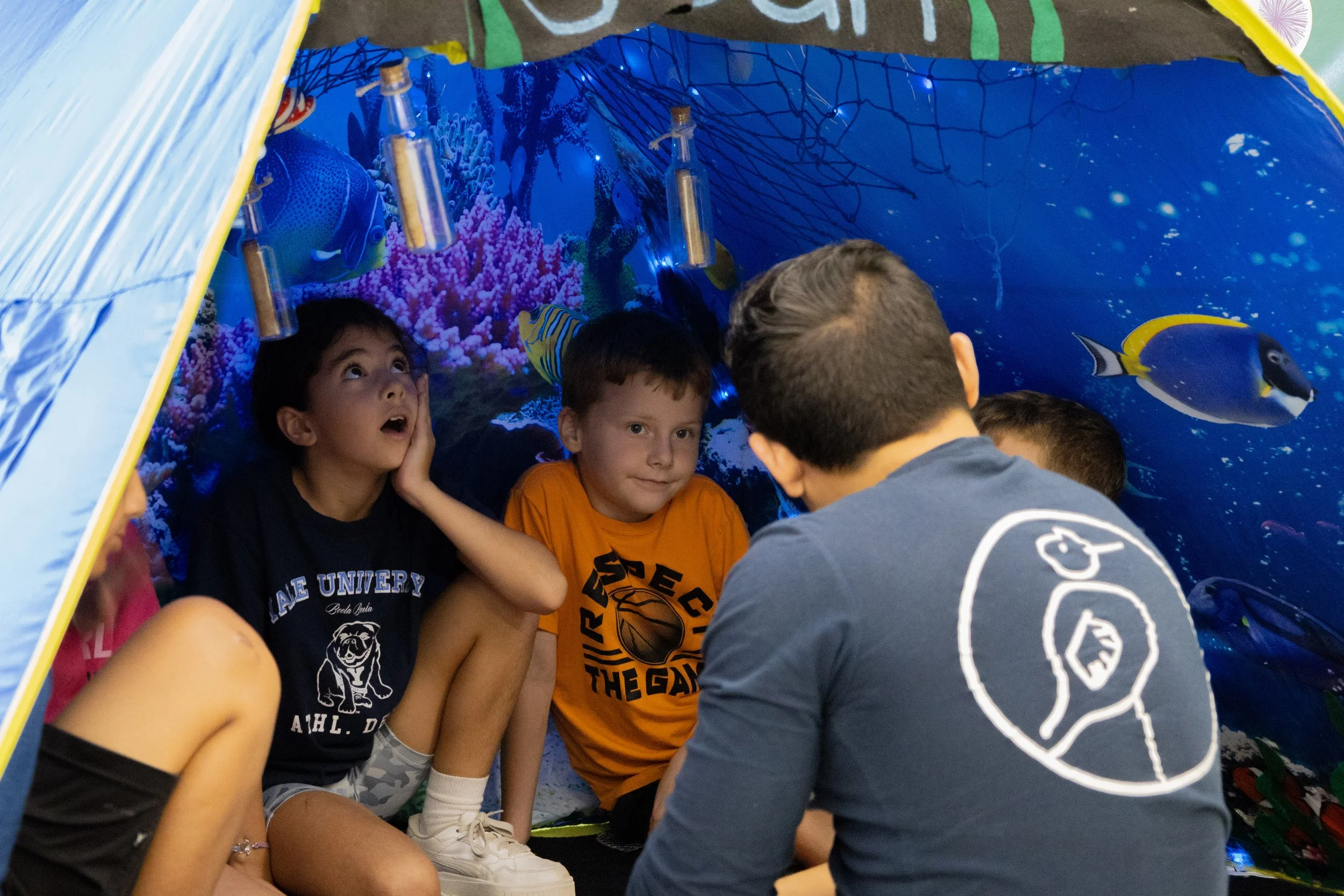
Center hands-on experiences. Experiential learning is one of the most effective ways to help students internalize environmental concepts and cultivate a personal connection with nature. Instead of feeling overwhelmed by alarming news, students take an active role in exploring new ideas, which boosts both their understanding and their confidence.
Introduce climate leaders and success stories. Share examples of young activists, community organizers, and scientists making progress on environmental challenges. Seeing peers and mentors taking effective action provides role models for different ways to contribute.
Create peer support networks for shared learning. Establish environmental clubs or discussion groups where students can process their feelings together. These networks provide a safe space to share concerns, celebrate successes, and build collective confidence in taking environmental action.
Teach advocacy and civic participation skills. Help learners write to representatives, participate in local planning meetings, or organize awareness campaigns. These experiences empower students to translate concern into meaningful action, expanding their sense of agency beyond personal lifestyle choices.
Balance problem awareness with solution literacy. For every environmental challenge discussed, explore the multiple approaches being tested worldwide and clarify the myths that might discourage participation. This prevents the paralysis that comes from knowing about problems without understanding pathways forward.
Celebrate every milestone. Recognition helps students associate climate learning with empowerment rather than fear. Highlight class accomplishments and end-of-year reflections.
These strategies encourage curiosity, allowing learners to explore the natural world and ask questions in a safe and supportive environment. They also build emotional resilience by helping individuals recognize and process feelings of worry or fear about the environment. By shifting attention from fear to practical steps, learners gain a sense of purpose.
Those who are not educators can help by supporting environmental education programs, like Change is Simple’s, that activate lifelong climate leaders.
From Anxiety to Action
Eco-anxiety isn’t going away anytime soon. The environmental challenges we face are real, and caring deeply about them is a natural response.
But that concern doesn’t have to leave students feeling frozen and hopeless. Small, steady steps can create a sense of direction, and sharing good news about recent progress can remind students that positive change is not only possible but already happening.
Environmental education that emphasizes both knowledge and action offers a path forward. When we equip young people with the tools to understand complex systems and participate in solutions, we honor their concerns while giving them agency. The goal isn’t to eliminate anxiety entirely, but to transform it into fuel for meaningful engagement.
Change is Simple
Our mission is to instill lifelong social and environmental responsibility through hands-on, experiential climate education that inspires real action for healthy people, a healthy planet, and healthy communities. Since 2011, we’ve grown from working with a single school to reaching thousands of students each year with engaging, science-based sustainability programs integrated into core curricula.
We believe early climate education empowers students to make sustainable choices today and carry those values into adulthood. Learn more about our programs, donate to support our work, and join our newsletter for exclusive updates.