
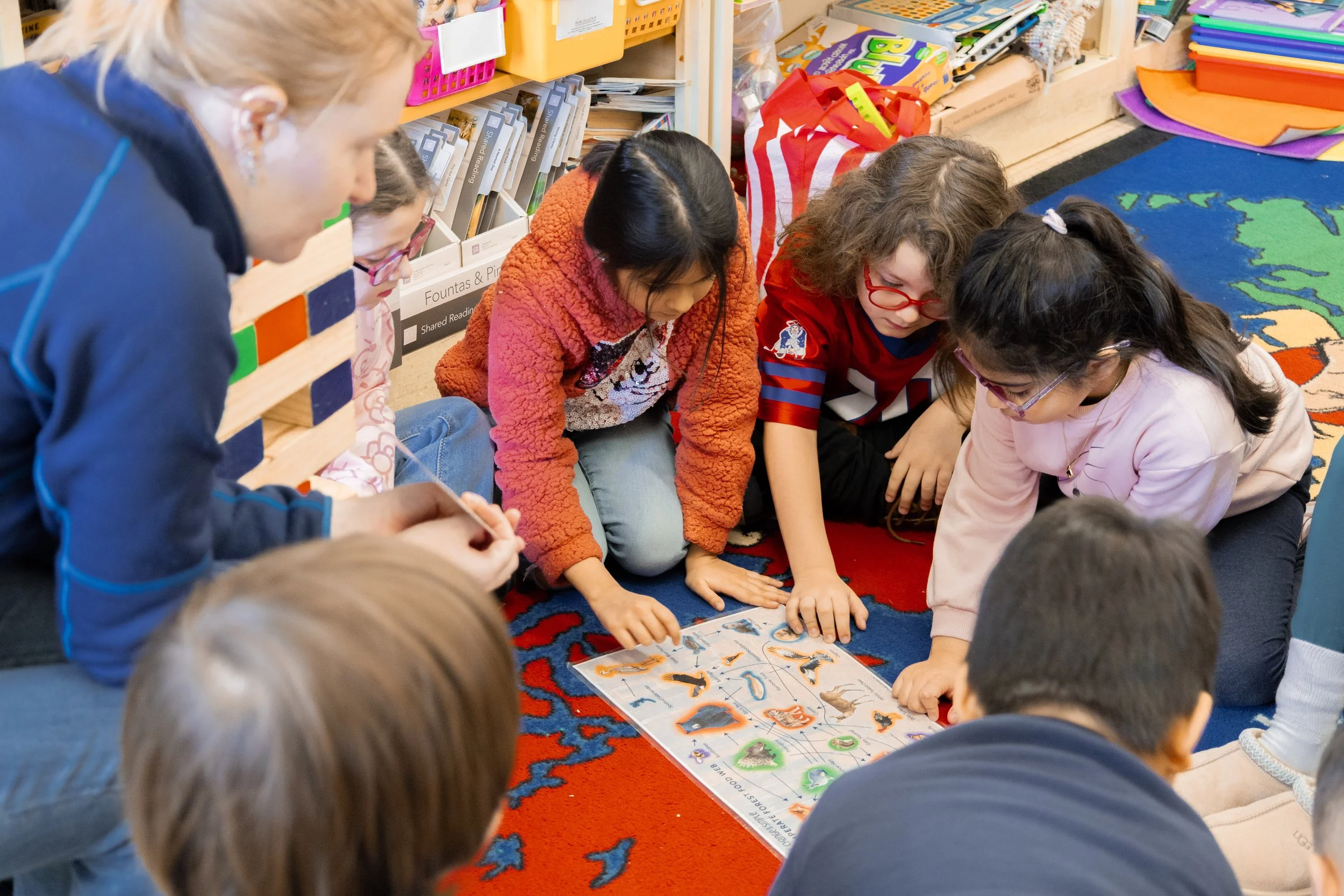
Every ecosystem exists as a delicate network of relationships where plants, animals, and microorganisms depend on each other for survival. When an invasive species arrives in a new environment, it can throw this entire system off balance.
What makes a species invasive? It's not just about being non-native. Invasive organisms are those that cause harm to their new environment, outcompeting local species and fundamentally changing how ecosystems function. Learning to identify invasive species is a key aspect of preserving the health and stability of ecosystems worldwide.
Understanding Food Webs and Ecological Balance
Think of a food web as nature's interconnected network where every organism plays a role. Energy flows from the sun to plants, then through various levels of consumers, creating complex relationships that keep ecosystems stable.
Healthy food webs depend on several key components:
Producers, such as plants and algae, convert sunlight into usable energy.
Primary consumers, such as deer and rabbits, eat plants to obtain energy.
Secondary and tertiary consumers include predators that feed at various levels of the food chain, such as wolves, hawks, and large fish.
Decomposers, such as fungi and bacteria, break down dead organic material and recycle nutrients back into the ecosystem.
Ecological balance exists when these components work together in harmony. We can observe this balance in thriving forests, healthy rivers, or diverse coastlines where each species supports the ecosystem as a whole.
The Mechanisms of Disruption: How Invasive Species Operate
Invasive species succeed by exploiting advantages that native species lack. They often arrive without the natural predators, diseases, or competitors that kept their populations in check back home.
These organisms disrupt ecosystems in multiple ways. Some monopolize resources, consuming food, water, or space faster than native species. Others introduce predation pressure, hunting prey that have no defense strategies against them. Certain invaders physically alter habitats themselves, changing factors such as soil chemistry and water flow patterns.
When an invasive species disrupts one part of a food web, the effects ripple outward in surprising ways. Scientists call these ripples trophic cascades, where changes at one level trigger transformations throughout the entire system. Ecosystem disruption from a single species can cause population explosions of organisms that were previously kept in check, while others face unexpected decline or extinction.
Conservationists and environmental scientists are on the front lines of managing these threats. They develop early detection systems, create biological control methods, and restore damaged ecosystems. For young people passionate about protecting nature, careers in conservation biology, ecology, and environmental science offer meaningful opportunities to make a real difference.
Real-World Case Studies
Looking at specific invasive species examples reveals the true scope of ecological damage across different environments.
Brown Treesnakes in Guam
Around 1950, brown treesnakes accidentally arrived in Guam, likely as stowaways on military cargo ships. Within a few decades, these predators decimated the island's bird population, causing 10 native species to go extinct. The snakes didn't just eliminate birds; they triggered a cascade of changes that altered the entire forest ecosystem, from seed dispersal patterns to insect populations.
Emerald Ash Borers in North America
The emerald ash borer beetle arrived from Asia and has killed hundreds of millions of ash trees across the United States and Canada. This beetle destroys ash trees that provide food and shelter for countless native insects, birds, and mammals. Their impact extends to forest composition, soil health, and even local economies dependent on timber.
Cats in New Zealand
New Zealand is home to a unique ecosystem that evolved with no mammalian predators, allowing ground-dwelling birds such as the kiwi to thrive and even lose the ability to fly. The introduction of domestic and feral cats, however, has disrupted this delicate balance. These birds have no natural defenses against such predators, leading to dramatic biodiversity loss. As a result, multiple native species have gone extinct, and many others remain critically endangered despite ongoing conservation efforts.
Each case shows how the impact of invasive species extends far beyond their initial point of introduction. Reducing our environmental footprint includes taking steps to prevent their spread.
Prevention, Management, and Looking Forward
The complexity of these interactions can be overwhelming, but understanding them empowers us to take action.
Each year, National Invasive Species Awareness Week (Feb. 23-27 in 2026) encourages public participation in protecting ecosystems from these threats. Simple actions can make a meaningful difference:
Clean your gear and equipment, such as boots or boat hulls and propellers, when moving between natural areas.
Never release pets or aquarium plants into the wild.
Buy firewood locally to avoid transporting insects.
Remove and properly dispose of invasive plants from your garden.
Support local conservation projects or volunteer for habitat restoration efforts.
Follow state and federal trade regulations regarding potentially harmful imports, such as fruit or pets.
Individual responsibility matters in this effort. By understanding how invasive species disrupt food webs, we can all become better stewards of the ecosystems that support us. Every action counts in protecting the intricate web of life that sustains our planet.
Change is Simple
Our mission is to instill lifelong social and environmental responsibility through hands-on, experiential climate education that inspires real action for healthy people, a healthy planet, and healthy communities. Since 2011, we’ve grown from working with a single school to reaching thousands of students each year with engaging, science-based sustainability programs integrated into core curricula.
We believe early climate education empowers students to make sustainable choices today and carry those values into adulthood. Learn more about our programs, donate to support our work, and join our newsletter for exclusive updates.