
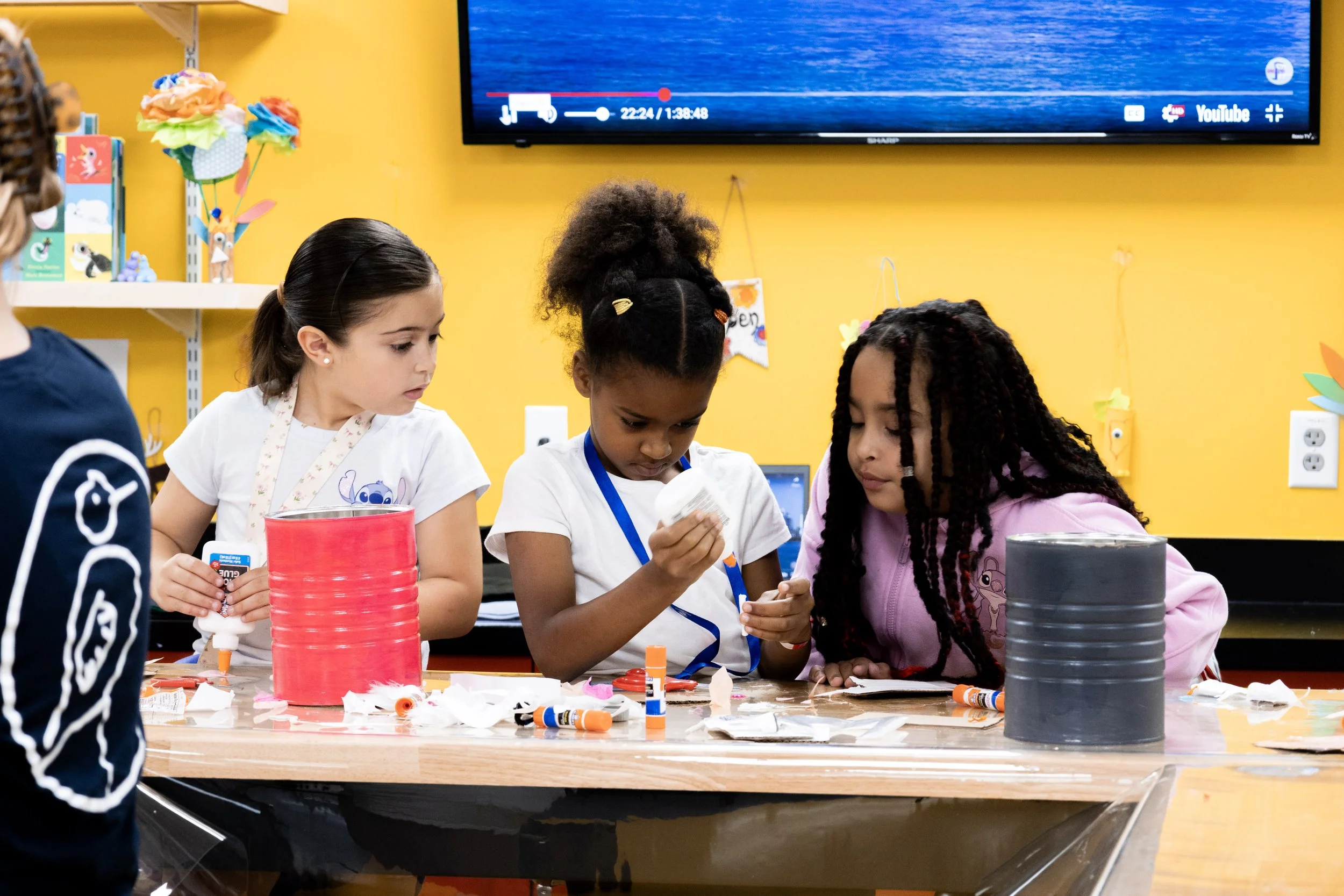
In schools around the world, students are painting murals about rising sea levels, sculpting endangered animals from reclaimed materials, and photographing the ecosystems in their own backyards. Art in environmental education is not a new idea, but its impact is growing.
Traditional environmental instruction tends to focus on data and facts, but information alone doesn’t always move people to care or act. Using art to teach environmental concepts reaches students on an emotional level, giving them a creative language for understanding and responding to our current environmental challenges.
The Science Behind Arts-Based Environmental Learning
Learning by Doing: Art-making is a form of experiential learning. In addition to receiving information, students process, reflect, and construct meaning through direct creative experience. That’s why arts-based approaches tend to produce meaningful shifts in environmental attitudes, not just knowledge.
Feeling Connected: Research shows that when students feel more connected to nature, they’re more likely to engage in pro-environmental behavior. Nature connectedness encompasses cognitive, emotional, experiential, and philosophical relationships with the natural world, and art nurtures all four dimensions at once.
Fostering Active Engagement: Researcher Hilary Inwood's work on eco-art curricula demonstrates that integrating art and environmental education moves students from passive awareness toward active engagement. Her research shows that when students create alongside learning, they begin to see themselves as participants in environmental solutions rather than bystanders.
Art Across Age Groups: What Works and When
Art education looks different at every stage of development. Here’s a quick breakdown by age group:
Early Childhood (K–2): Drawing, collage, and working with natural materials help young learners explore concepts in ways that feel like play.
Elementary (3–5): Collaborative murals, recycled art projects, and storytelling through illustration build both environmental knowledge and community.
Middle and High School: Photography, eco-art installations, and design challenges tied to real local issues invite students to think critically and creatively about the ecosystems around them.
Higher Education: Environmental art design and community-based public art projects allow students to practice art activism at a meaningful scale.
Across every age group, eco-art gives students a creative framework for understanding their relationship with the natural world and their role in protecting it.
Practical Strategies for Educators
You don’t need a big budget or a separate elective to bring this into your classroom. Here are some accessible starting points:
Start With Nature Journaling: Try nature drawing or journaling as a low-barrier entry point. A sketchbook and a walk outside can improve observation skills.
Weave Art Into Existing Units: Integrate art projects into existing science or social studies units rather than treating them as add-ons.
Use Your Local Environment: Your surroundings can serve as both a source of inspiration and materials. Just be sure to observe and collect natural elements responsibly, with care and respect for living ecosystems.
Go Big With Community Projects: Launch an upcycled sculpture project or a community mural campaign to give students a sense of environmental stewardship that extends beyond the school day.
Collaborate Across Disciplines: Connect with your school's science teachers for cross-disciplinary planning. A shared project can deepen learning on both sides.
By starting small and building thoughtfully, educators can make environmental learning more engaging and connected to the real world.
From Awareness to Action: Art as Environmental Advocacy
Student artwork doesn’t have to stop at the classroom door.
School garden murals, student-led gallery shows on climate themes, and public installations can carry environmental messages into the broader community, turning student creativity into visible, shared action.
Research suggests that when people engage with environmental art, it can help increase their awareness of environmental issues and encourage more positive attitudes toward protecting nature. It also creates learning opportunities that feel more personal and meaningful than traditional instruction.
Connecting young artists to environmental justice conversations gives them a voice in issues that will define their futures. It also offers a way to process complex environmental challenges and ease eco-anxiety by turning concern into something creative and tangible.
Giving Students a Canvas for the Future
Nature art is one of its most effective forms of environmental education. When students create, they connect. When they connect, they care. And when they care, they act.
Educators have a real opportunity to weave creativity into environmental learning at every level, and the research makes a strong case for doing so. When students are given the tools to express what they know and feel about the natural world, they develop a genuine sense of purpose.
For some, that purpose grows into a lifelong passion and even a career dedicated to environmental work. Learn more about supporting the next generation of climate leaders.
Change is Simple
Our mission is to instill lifelong social and environmental responsibility through hands-on, experiential climate education that inspires real action for healthy people, a healthy planet, and healthy communities. Since 2011, we’ve grown from working with a single school to reaching thousands of students each year with engaging, science-based sustainability programs integrated into core curricula.
We believe early climate education empowers students to make sustainable choices today and carry those values into adulthood. Learn more about our programs, donate to support our work, and join our newsletter for exclusive updates.