
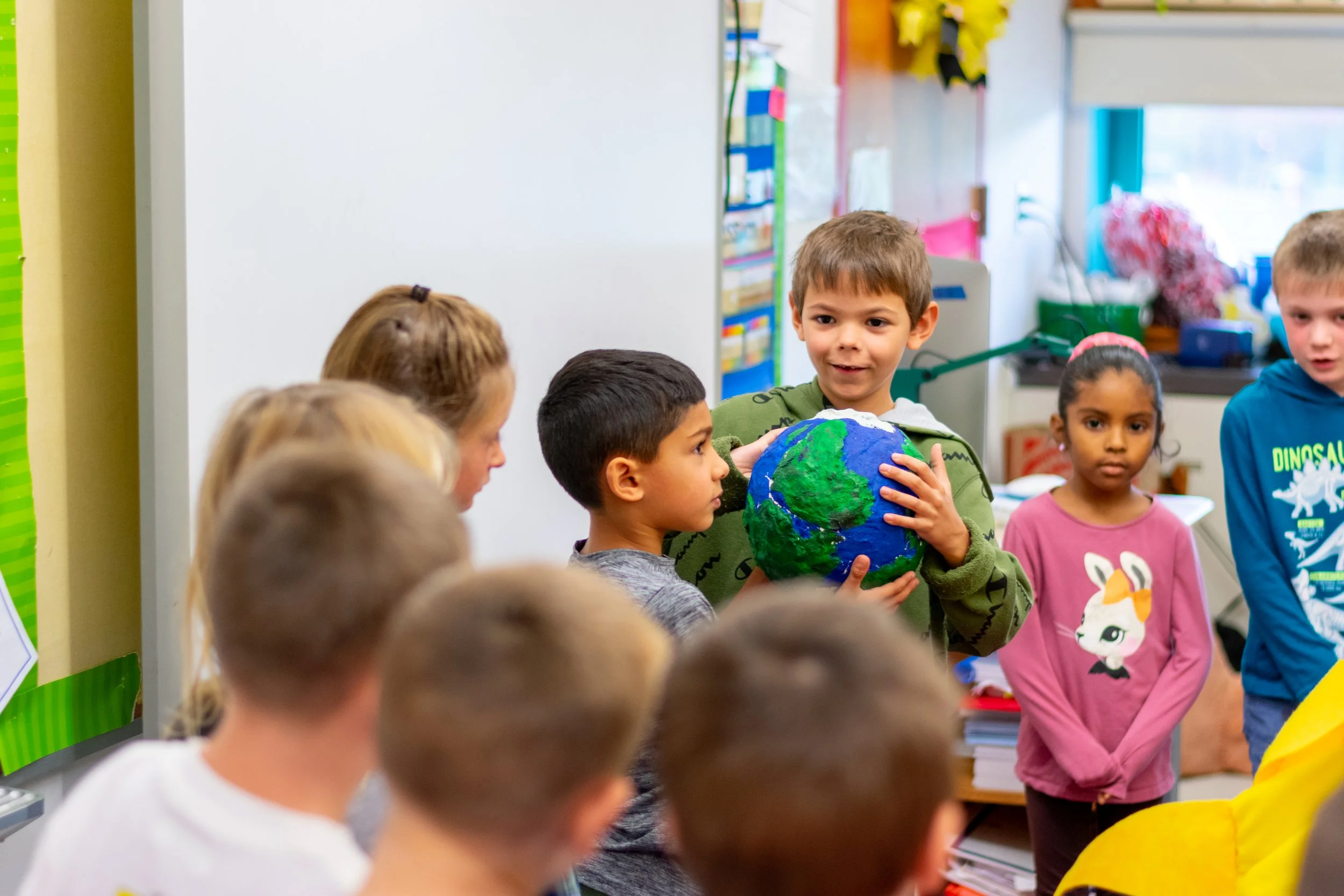
World Environment Day, observed on June 5, is a reminder to pause, reflect, and appreciate the planet we share. It’s also a good moment to look beyond the headlines that dominate our feeds and find the stories that genuinely deserve our attention.
If you’ve been feeling overwhelmed by environmental news lately, you’re not alone. The media doesn’t tend to cover positive climate news as frequently as disasters, warnings, and crises. Those stories matter, but they can drown out the good news about environmental progress happening around the world.
Here are five wins worth celebrating and sharing.
Renewables Are Beating Coal
In the first half of 2025, renewable electricity generation is estimated to have surpassed coal for the first time in recorded history, driven by rapid growth in solar and wind power use across China and India.
In the European Union, wind and solar together accounted for around 30% of electricity generation, slightly ahead of fossil fuels at about 29%, while coal fell to a record low of approximately 9.2%.
This is one of the most meaningful climate good news stories in a generation. The energy transition, once considered a distant goal, is now structurally underway. If you want to be part of it at home, small everyday energy choices add up more than you might think.
The High Seas Finally Have Legal Protection
Nearly two-thirds of the world's oceans lie beyond national borders, and until recently, they had no dedicated legal protection for biodiversity. That changed in September 2025.
Morocco became the 60th country to ratify the High Seas Treaty, bringing it into force in January 2026. The treaty establishes a binding legal framework to protect marine biodiversity in international waters, with a commitment to designate 30% of the high seas as Marine Protected Areas by 2030.
This is a landmark moment for ocean conservation and one of the most significant global warming solutions to emerge from international cooperation in years.
Forests Are Fighting Back
Forests around the world are showing real signs of recovery, with measurable results across multiple regions.
Amazon deforestation is at a historic low. Deforestation in Brazil's Amazon is on pace to hit its lowest level since record-keeping began in 1988, with satellite data showing forest clearing down 35% year-over-year between August 2025 and January 2026.
Global rates are dropping. Annual deforestation has fallen to about 10.9 million hectares per year between 2015 and 2025, down from 17.6 million hectares per year in 1990–2000.
More forests are protected. More than half of the world’s forests are now covered by formal long-term management plans.
These results show that protection and restoration efforts are working. Teaching young people to value and care for natural spaces is one of the most powerful things we can do to keep this momentum going.
Wildlife Is Making a Comeback
Animal populations that once seemed in serious decline are showing encouraging signs of recovery:
Saiga antelope. Once driven to the brink of extinction by poaching and habitat loss, populations have rebounded significantly in parts of Central Asia following large-scale conservation and steppe ecosystem restoration efforts.
Mountain gorilla. One of the world’s most famous conservation success stories, mountain gorilla numbers have steadily increased after decades of intensive protection and habitat restoration in central Africa.
Antiguan racer. Once considered one of the rarest snakes on Earth, it has recovered from near extinction through invasive species removal and targeted island ecosystem restoration.
These stories are a reminder that when we protect ecosystems, nature responds.
States and Communities Are Stepping Up
Change doesn’t only come from international agreements. Some of the most meaningful positive environmental news is coming from local and state-level efforts.
US states held the line. Despite shifts in federal climate policy, states across the country have continued to strengthen utility regulations, update green building codes, and set their own emissions reduction targets.
Cities are bringing nature back. Around the world, cities are investing in urban nature restoration, from planting street trees to revitalizing wetlands and creating green corridors.
Hands-on, community-based learning is one of the most effective ways to turn awareness into lasting action, and these local wins prove that it works.
Every Action Adds Up
The wins above didn’t happen by accident. They’re the result of scientists, communities, educators, and everyday people choosing to prioritize the planet. That’s what climate change solutions actually look like in practice.
This World Environment Day, the most important thing any of us can do is stay engaged, keep learning, and help young people understand that their choices matter. When we plan for the future and take action, we create the conditions for a healthier planet and a more hopeful tomorrow.
Change is Simple
Our mission at Change is Simple is to instill lifelong social and environmental responsibility in today’s youth. We do this through hands-on, experiential climate education that inspires real action for healthy people, a healthy planet, and healthy communities. Since 2011, we’ve grown from working with a single school to reaching thousands of students each year with engaging, science-based sustainability programs integrated into core curricula.
We believe early climate education empowers students to make sustainable choices today and carry those values into adulthood. Learn more about our program, donate to support our work, and join our newsletter for exclusive updates.